Tell us about the job
Takes about a minute. No obligation.
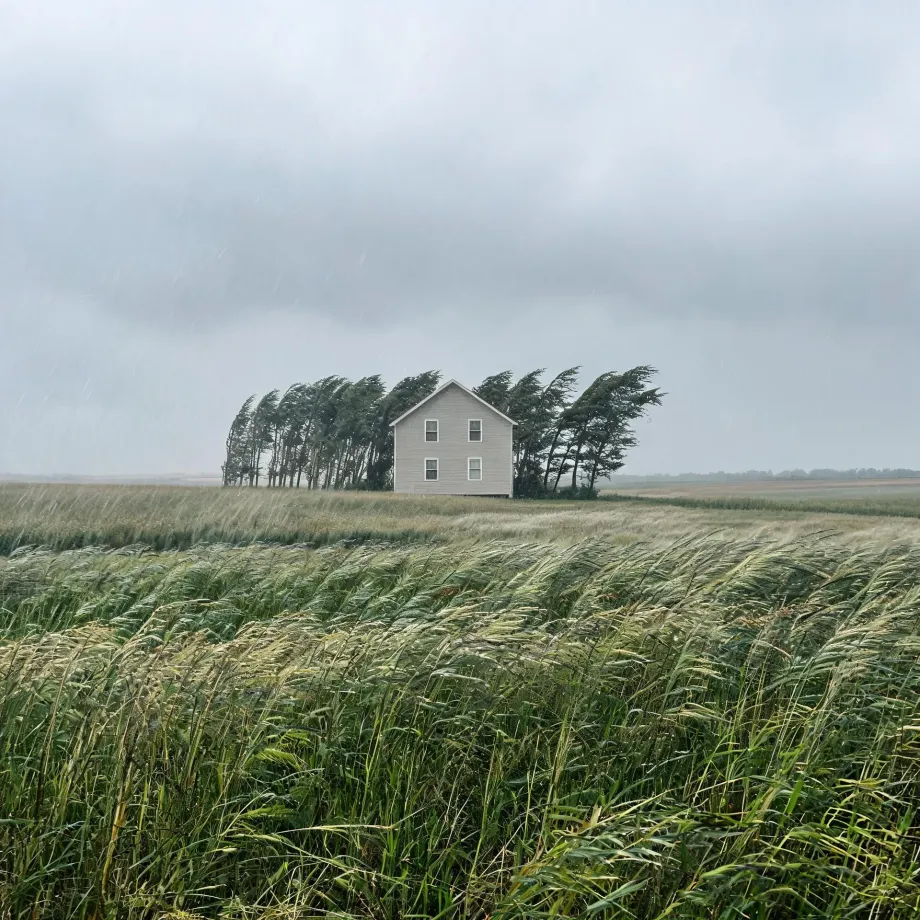
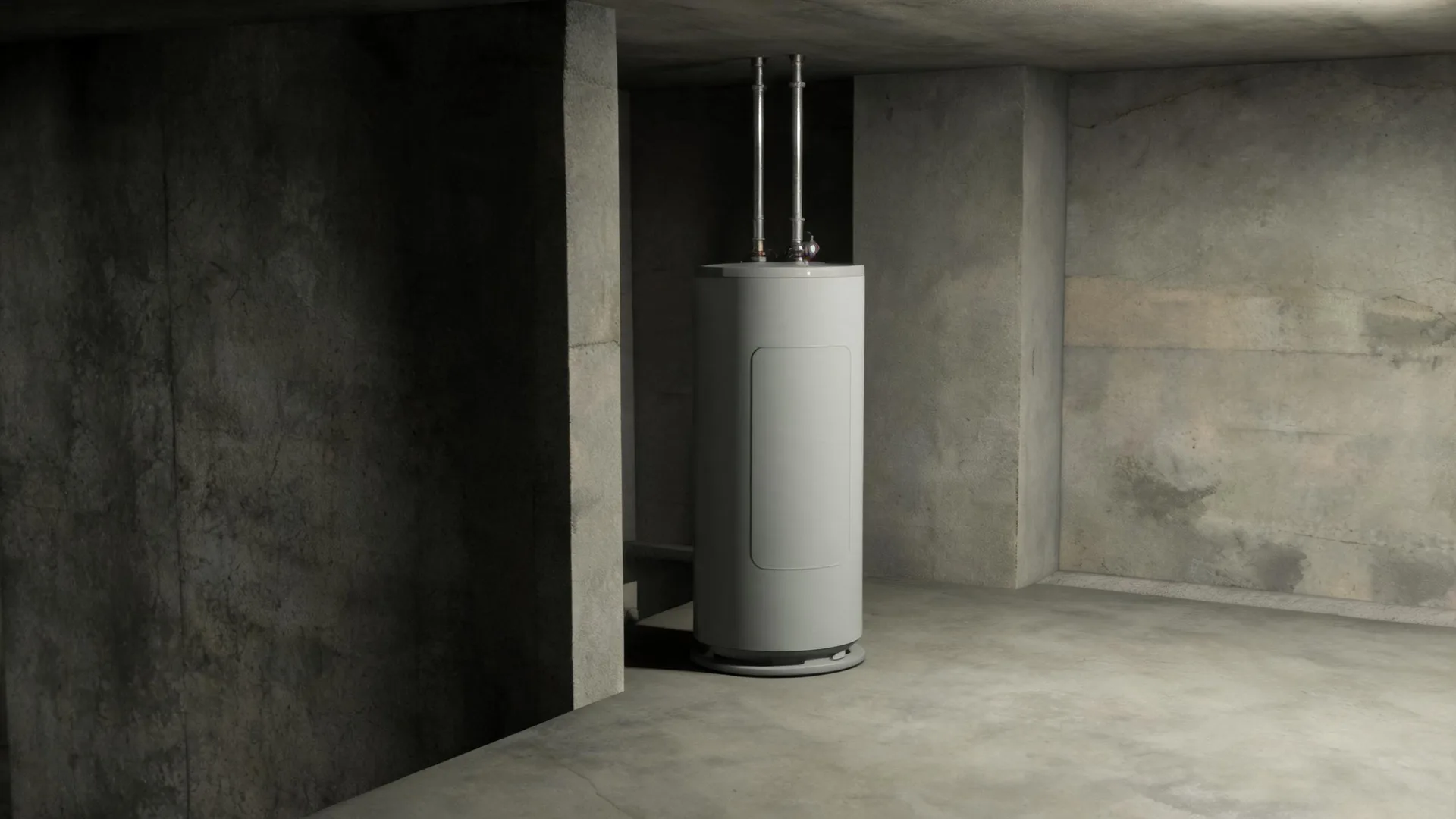
A contractor sizing a water heater replacement in Morrison County has to work out whether the existing unit failed because of how it was installed, how old it was, or how hard the local climate pushed it. 109 severe weather events were recorded in Morrison County, Minnesota between 2015 and 2024. That puts the county in a range where severe weather is real but not so relentless that it overrides every other variable. A contractor pulling the old unit will look at sediment buildup, anode condition, and whether the original installation matched the actual demand of the household before storm exposure enters the picture.
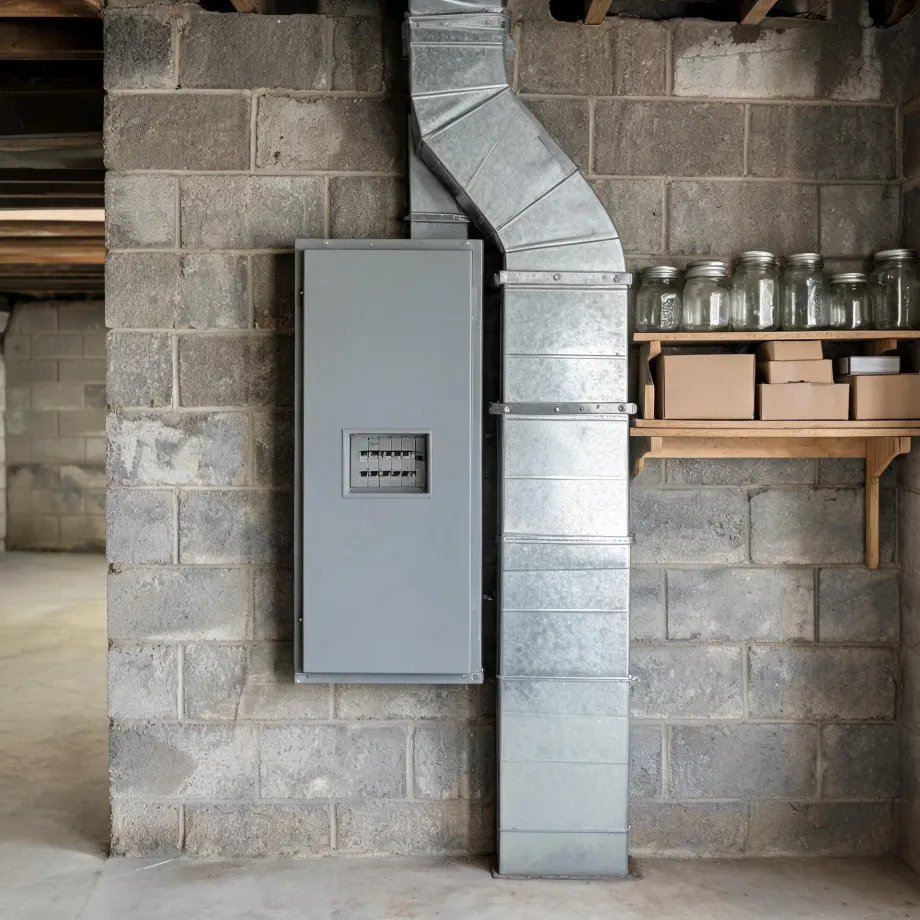
Electrical panels in housing this old were sized for the loads of their era, and a water heater installation that looks straightforward from the street can stall once a contractor opens the panel box. Half the homes in Morrison County, Minnesota were built in 1977 or earlier (2020-2024 ACS 5-year). That history matters at the breaker, not just at the water heater itself. A contractor here will confirm whether the existing service can carry the new unit before the job is priced, because an undersized panel means an electrical upgrade comes before the water heater does.
What a Water Heater Installation Covers
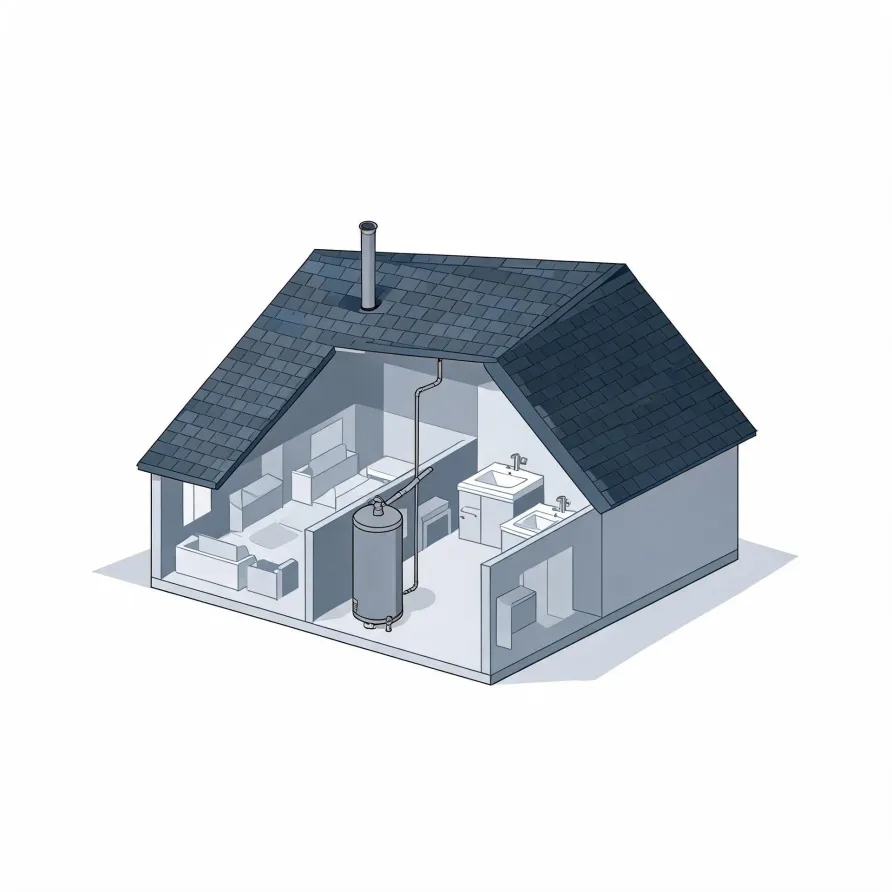
The tank is the piece a homeowner notices first. It sits in a utility room, basement, or garage and holds the water that gets heated before it moves to the taps. A gas unit has a burner assembly at its base; an electric unit carries heating elements inside the tank wall.
A pressure relief valve mounts on the side of the tank and releases if pressure builds beyond safe limits. The cold supply line feeds water in from the top or side, and the hot outlet line carries water out to the rest of the house. A drain valve at the base lets a contractor flush the tank.
The drawing shows a typical layout, and a licensed contractor determines what the installation requires for this specific house.
Find a contractor in Morrison CountyMorrison County, Minnesota, by the numbers
109 severe weather events were recorded in Morrison County, Minnesota between 2015 and 2024.
NOAA National Centers for Environmental Information, Storm Events Database, bulk CSV export, events 2015-01-01 through 2024-12-31.Half the homes in Morrison County, Minnesota were built in 1977 or earlier (2020-2024 ACS 5-year).
U.S. Census Bureau, 2020-2024 American Community Survey 5-Year EstimatesMorrison County, Minnesota holds 16,256 housing units (2020-2024 ACS 5-year).
U.S. Census Bureau, 2020-2024 American Community Survey 5-Year EstimatesOwners occupy 80.6% of the occupied homes in Morrison County, Minnesota (2020-2024 ACS 5-year).
U.S. Census Bureau, 2020-2024 American Community Survey 5-Year EstimatesSevere Weather Events in Morrison County
Minnesota weather puts real demands on water heating equipment, and Morrison County's climate is a local variable that shapes how hard any installed unit has to work. A water heater sized and installed for conditions here performs differently than one spec'd for somewhere else.
109 severe weather events, 2015–2024. Source: NOAA National Centers for Environmental Information, Storm Events Database.