Tell us about the job
Takes about a minute. No obligation.
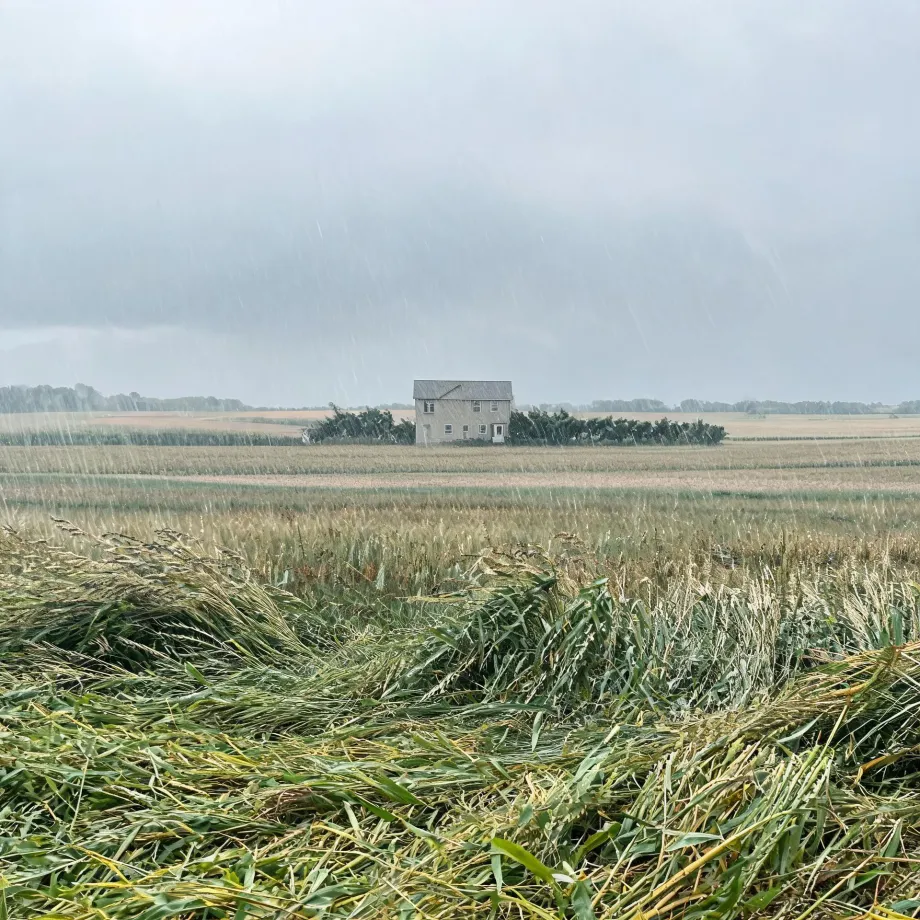
Sizing a water heater in Hubbard County is a local decision before it is a product decision. 175 severe weather events were recorded in Hubbard County, Minnesota between 2015 and 2024. At that rate, severe weather is a standing feature of the environment any installed system will run in, and a contractor who ignores that when selecting equipment and planning the install leaves the homeowner with a unit sized for conditions that do not exist here. Sediment load, thermal stress on connections, and recovery demand all shift when the climate pushes hard on a regular basis.
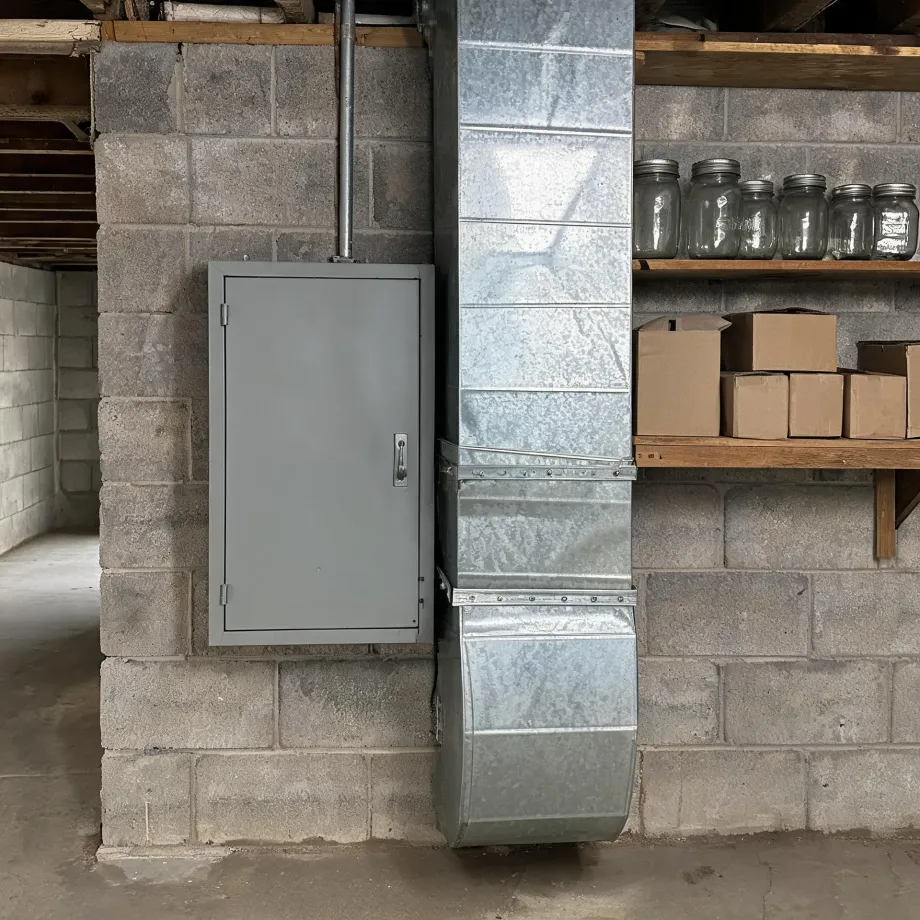
Older electrical service panels are sized for what households drew when they were installed, and a water heater pulling today's load can run right up against that limit. Half the homes in Hubbard County, Minnesota were built in 1985 or earlier (2020-2024 ACS 5-year). A contractor pricing an installation here checks the panel and the existing circuit before settling on equipment, because the breaker capacity determines what the house can actually run. If the service needs an upgrade, that work gets scoped alongside the unit, not after it arrives.
What a Water Heater Installation Covers
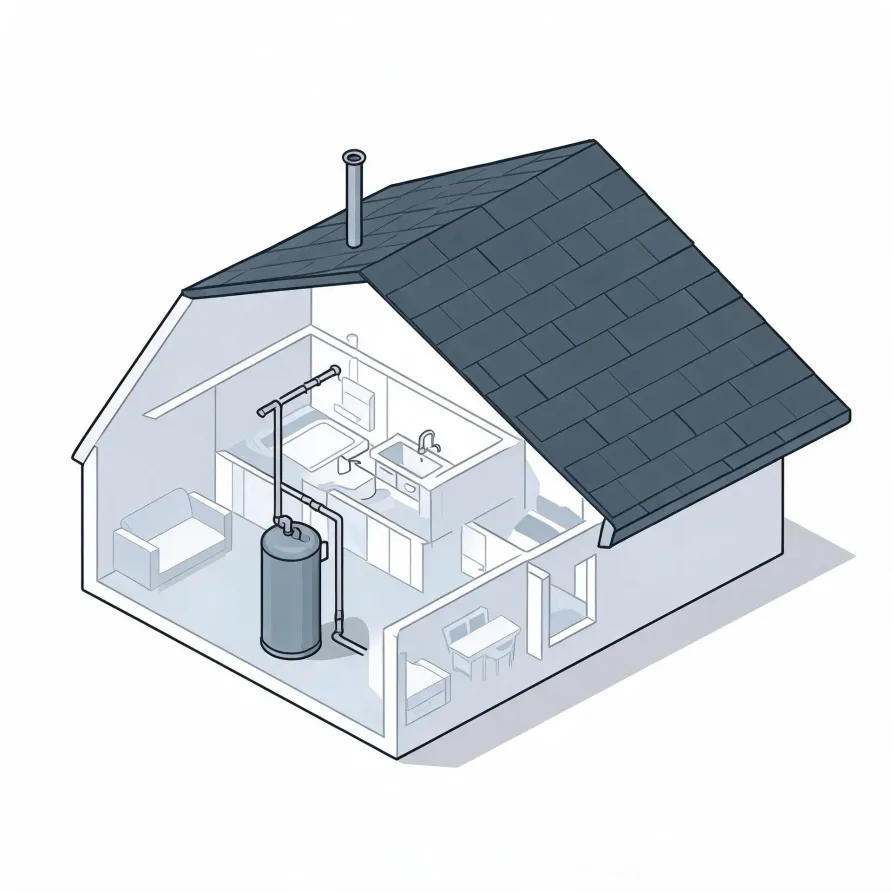
The tank is the piece a homeowner sees first. It sits in a utility closet, basement, or garage and holds the water supply that feeds every hot-water fixture in the house. A contractor also sets the temperature and pressure relief valve on the tank, which is a safety device mounted at the side or top that opens if either reading climbs too high.
The cold-water inlet and hot-water outlet lines connect the tank to the house supply. A drain valve sits near the base of the tank. Where gas is the heat source, the contractor runs a gas supply line and fits a flue or exhaust vent that exits the home.
The drawing shows a typical layout, and a licensed contractor determines exactly what applies to this house.
Get matched in Hubbard CountyHubbard County, by the numbers
175 severe weather events were recorded in Hubbard County, Minnesota between 2015 and 2024.
NOAA National Centers for Environmental Information, Storm Events Database, bulk CSV export, events 2015-01-01 through 2024-12-31.Half the homes in Hubbard County, Minnesota were built in 1985 or earlier (2020-2024 ACS 5-year).
U.S. Census Bureau, 2020-2024 American Community Survey 5-Year EstimatesHubbard County, Minnesota holds 14,765 housing units (2020-2024 ACS 5-year).
U.S. Census Bureau, 2020-2024 American Community Survey 5-Year EstimatesOwners occupy 83.1% of the occupied homes in Hubbard County, Minnesota (2020-2024 ACS 5-year).
U.S. Census Bureau, 2020-2024 American Community Survey 5-Year EstimatesCodes & Standards Governing Water Heater Installation in Hubbard County, Minnesota2 sourced rules and standards
Licensing and Legal Requirements in Hubbard County, Minnesota
Minnesota defines a mechanical contractor as a business that installs, repairs or maintains heating, ventilating, cooling or refrigeration systems — the definition that carries the exemption from the residential contractor licence.
Minnesota's residential contractor licence does not reach HVAC work: the licensing section carries its own exemption list, and a mechanical contractor is exempt from the licence requirement by name.
Severe Weather Events in Hubbard County
Extreme weather puts a real load on water heating equipment, shortening service life and driving up energy use when systems are undersized or poorly matched to local conditions. What happens outside shapes what a water heater has to do year-round, and that makes the installation decision a local one.
175 severe weather events, 2015–2024. Source: NOAA National Centers for Environmental Information, Storm Events Database.