Tell us about the job
Takes about a minute. No obligation.
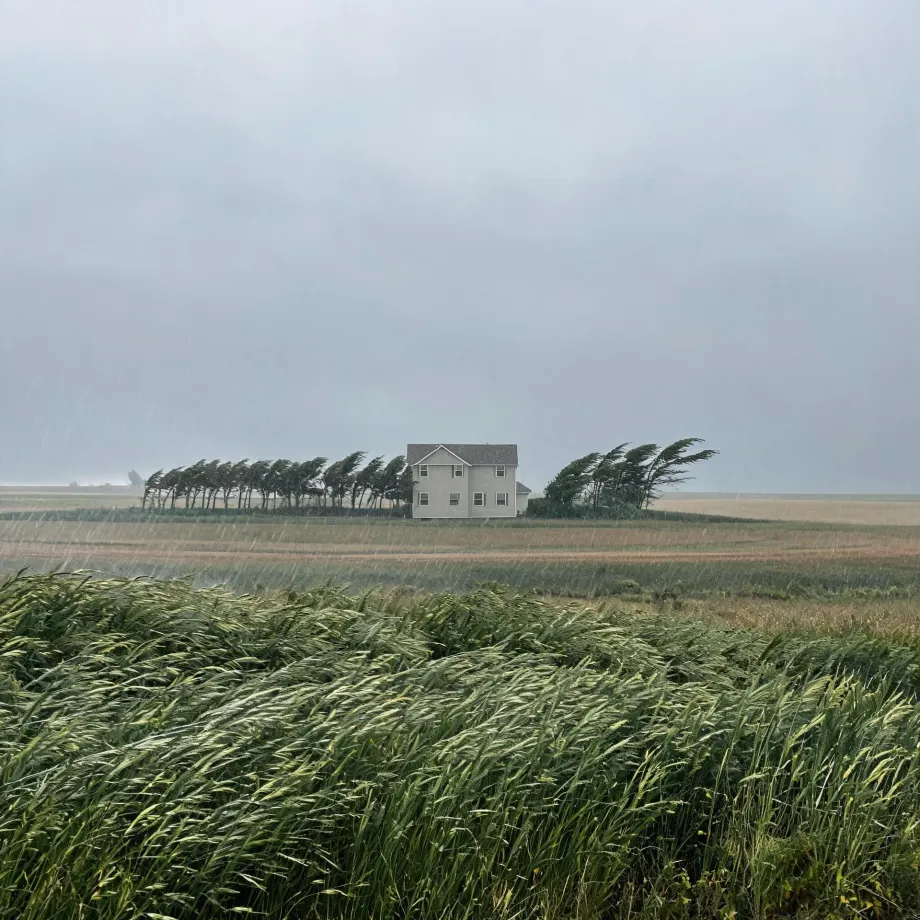
Before a contractor can price a water heater repair in Sherburne County, they have to sort out how much of the wear in front of them comes from the conditions here and how much comes from the unit itself. 104 severe weather events were recorded in Sherburne County, Minnesota between 2015 and 2024. That puts this area in the middle of the range, which means severe weather has been a factor in the life of most equipment, but not so relentlessly that it crowds out every other explanation. A water heater that is corroding at the connections or losing recovery speed may have taken some load from local weather, but a contractor will check the anode rod, the age of the tank, and the original installation before they land on any one cause.
A water heater sitting in a house built this long ago has likely been replaced at least once since the house went up, possibly more, and each unit brought its own valves, controls, and heat elements that a contractor has to identify before ordering anything. Half the homes in Sherburne County, Minnesota were built in 1996 or earlier (2020-2024 ACS 5-year). That spread across the housing stock means a contractor opening a unit here works out the exact make and configuration before any part is sourced, because what fits one system does not carry over to the next. Some parts are still in production; others are not, and that gap between what the system needs and what a supplier can ship is where the repair scope gets decided.
The Parts of a Water Heater a Contractor Checks During a Repair
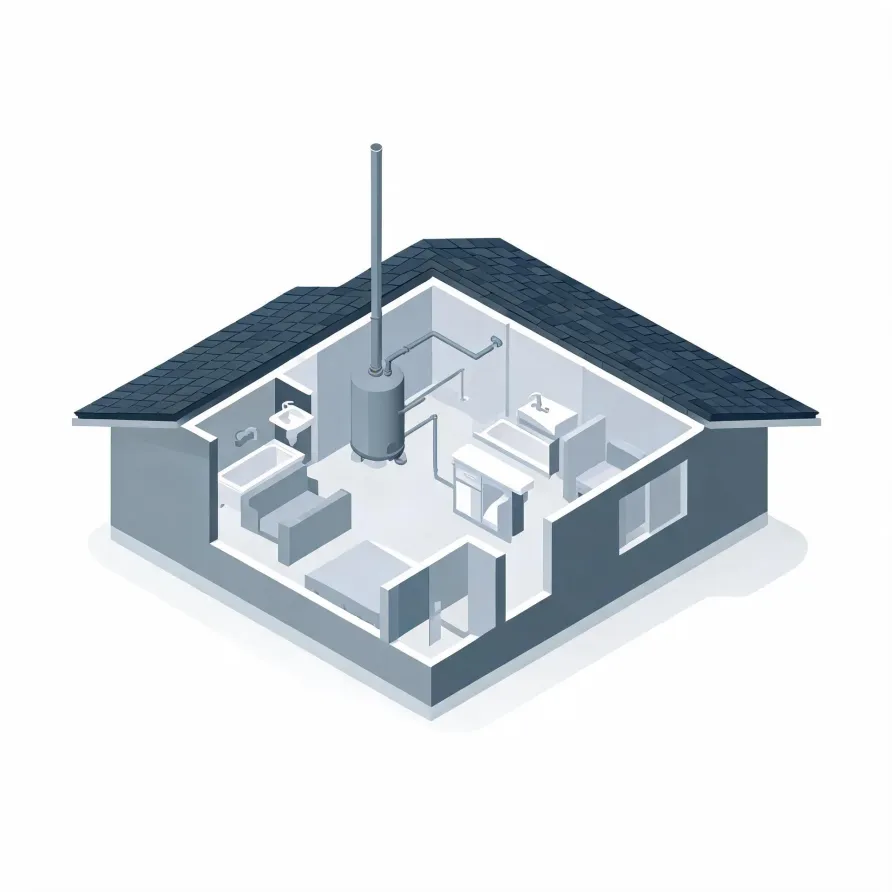
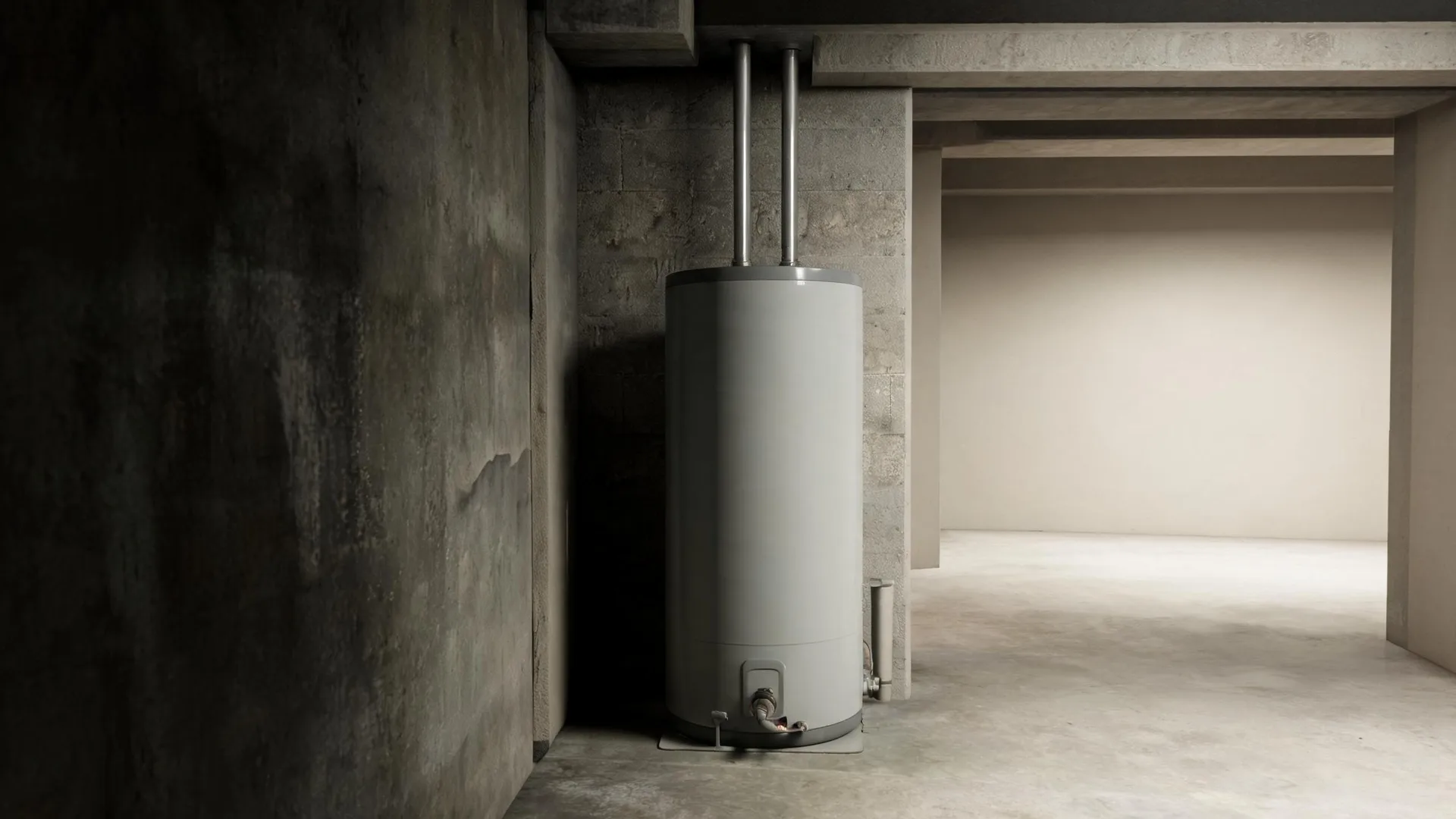
The tank is what most homeowners picture first: a large insulated cylinder that sits in a utility room, basement, or garage and holds a standing supply of hot water. The burner assembly or heating element sits at or near the base of the tank and is what actually raises the water temperature. When the water runs cold or the tank takes far longer than usual to recover, those are the pieces a contractor looks at first.
The pressure relief valve mounts on the side of the tank and is a safety device that opens if pressure inside builds past a safe point. The anode rod hangs inside the tank and slows corrosion of the tank walls. The dip tube runs down into the tank to direct cold incoming water to the bottom, and the outlet pipe at the top carries hot water out to the rest of the house.
The drawing shows a general layout of these components, and a licensed contractor determines which of them apply to the specific unit and installation in your home.
Get matched in Sherburne CountySherburne County, by the record
104 severe weather events were recorded in Sherburne County, Minnesota between 2015 and 2024.
NOAA National Centers for Environmental Information, Storm Events Database, bulk CSV export, events 2015-01-01 through 2024-12-31.Half the homes in Sherburne County, Minnesota were built in 1996 or earlier (2020-2024 ACS 5-year).
U.S. Census Bureau, 2020-2024 American Community Survey 5-Year EstimatesSherburne County, Minnesota holds 37,099 housing units (2020-2024 ACS 5-year).
U.S. Census Bureau, 2020-2024 American Community Survey 5-Year EstimatesOwners occupy 83.2% of the occupied homes in Sherburne County, Minnesota (2020-2024 ACS 5-year).
U.S. Census Bureau, 2020-2024 American Community Survey 5-Year EstimatesCodes & Standards Covering Water Heater Repair in Sherburne County, Minnesota2 sourced rules and standards
Licensing and Legal Requirements in Sherburne County, Minnesota
Minnesota defines a mechanical contractor as a business that installs, repairs or maintains heating, ventilating, cooling or refrigeration systems — the definition that carries the exemption from the residential contractor licence.
Minnesota's residential contractor licence does not reach HVAC work: the licensing section carries its own exemption list, and a mechanical contractor is exempt from the licence requirement by name.
Severe Weather Events in Sherburne County
Extreme weather puts real stress on water heaters, forcing recovery cycles that wear components faster than ordinary use does. How often that happens here shapes what local repair work actually looks like.
104 severe weather events, 2015–2024. Source: NOAA National Centers for Environmental Information, Storm Events Database.