Tell us about the job
Takes about a minute. No obligation.

A contractor diagnosing a water heater repair in Cook County has to establish what the equipment has been carrying before they can price the fix. 135 severe weather events were recorded in Cook County, Minnesota between 2015 and 2024. At that rate, severe weather is a standing condition for systems here, and components that absorb strain from it, heating elements, pressure relief valves, connections at the tank, wear differently than they would where the load is light. A repair quote that skips past that history will miss what actually failed.
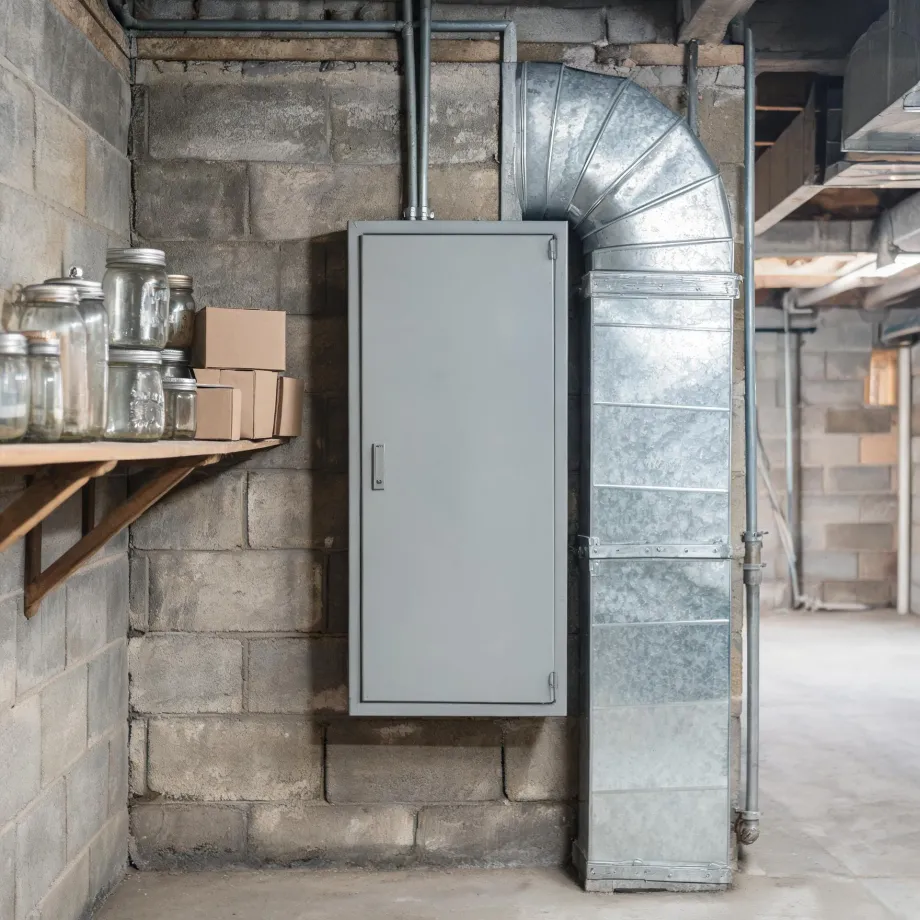
Sediment and anode wear are where a repair job in this housing stock tends to land, and they take longer to assess than a failed element or a faulty thermostat. Half the homes in Cook County, Minnesota were built in 1988 or earlier (2020-2024 ACS 5-year). A water heater sitting in a house that age has cycled through enough heating seasons that the tank lining and the sacrificial rod are the first things a contractor checks once the unit is open, not the last. What they find there decides whether a targeted repair holds or whether the scope widens.
The Parts of a Water Heater a Contractor Checks During a Repair
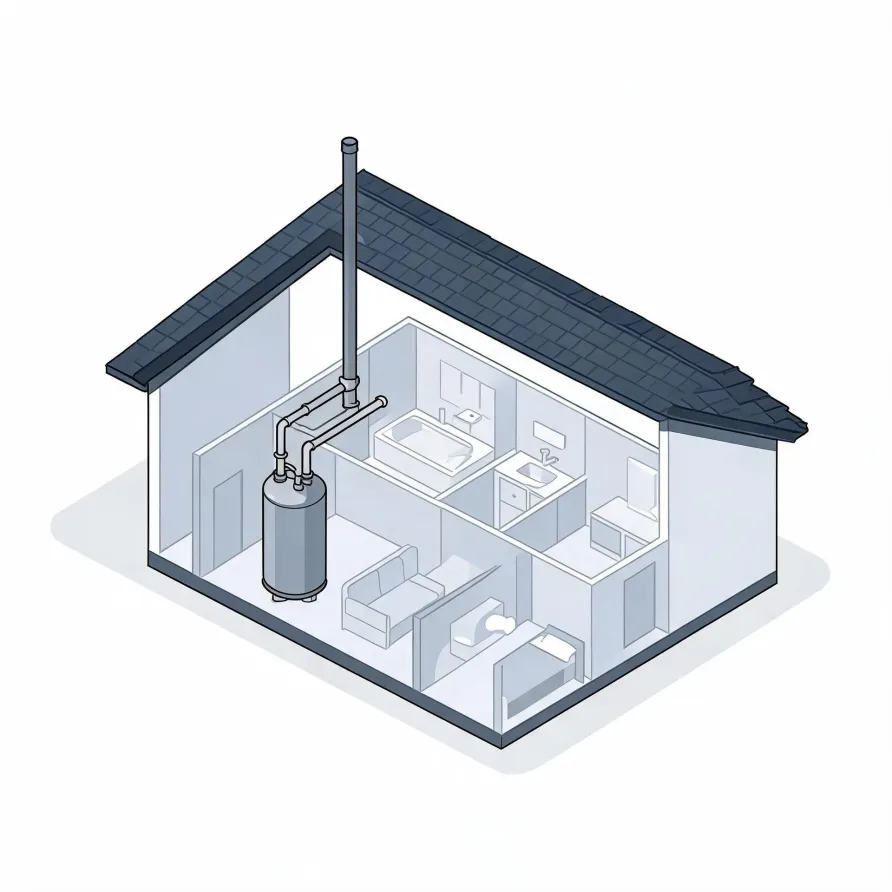
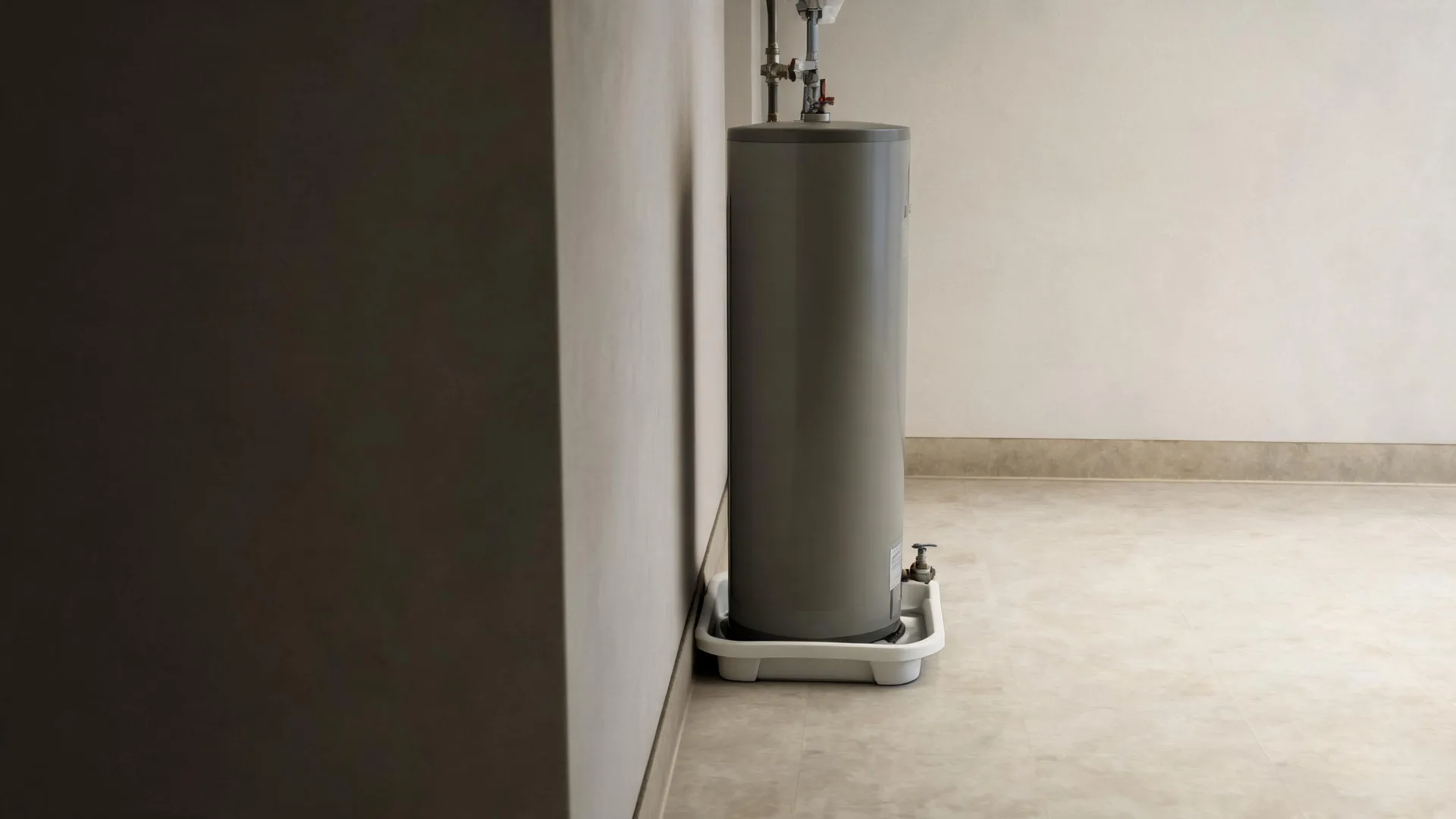
The tank is the piece most homeowners recognize, a large insulated vessel that sits in a utility room, basement, or garage and holds water at a set temperature. When the tank itself is the problem, signs show up as leaks at its base or rust in the water at the tap. The burner assembly or heating element lives at the base or interior of the tank and is what actually raises the water temperature.
The thermostat controls when the heating element or burner fires, and a failed one can leave water cold or scalding. The pressure relief valve mounts on the side of the tank and opens if internal pressure climbs too high. The anode rod hangs inside the tank and slows corrosion; a contractor will pull it to see how much material is left.
The drawing shows a general layout of these components, and a licensed contractor determines what applies to the specific unit and installation in your home.
Get matched in Cook CountyCook County, Minnesota, by the numbers
135 severe weather events were recorded in Cook County, Minnesota between 2015 and 2024.
NOAA National Centers for Environmental Information, Storm Events Database, bulk CSV export, events 2015-01-01 through 2024-12-31.Half the homes in Cook County, Minnesota were built in 1988 or earlier (2020-2024 ACS 5-year).
U.S. Census Bureau, 2020-2024 American Community Survey 5-Year EstimatesCook County, Minnesota holds 6,079 housing units (2020-2024 ACS 5-year).
U.S. Census Bureau, 2020-2024 American Community Survey 5-Year EstimatesOwners occupy 77.7% of the occupied homes in Cook County, Minnesota (2020-2024 ACS 5-year).
U.S. Census Bureau, 2020-2024 American Community Survey 5-Year EstimatesCodes & Standards Governing Water Heater Repair in Cook County, Minnesota2 sourced rules and standards
Licensing and Legal Requirements in Cook County, Minnesota
Minnesota defines a mechanical contractor as a business that installs, repairs or maintains heating, ventilating, cooling or refrigeration systems — the definition that carries the exemption from the residential contractor licence.
Minnesota's residential contractor licence does not reach HVAC work: the licensing section carries its own exemption list, and a mechanical contractor is exempt from the licence requirement by name.
Severe Weather Events in Cook County
Harsh weather puts real stress on water heaters: temperature swings, power surges, and pressure fluctuations all add up over time. How often conditions like that hit Cook County shapes how hard local equipment has to work and how soon repair needs show up.
135 severe weather events, 2015–2024. Source: NOAA National Centers for Environmental Information, Storm Events Database.