Tell us about the job
Takes about a minute. No obligation.

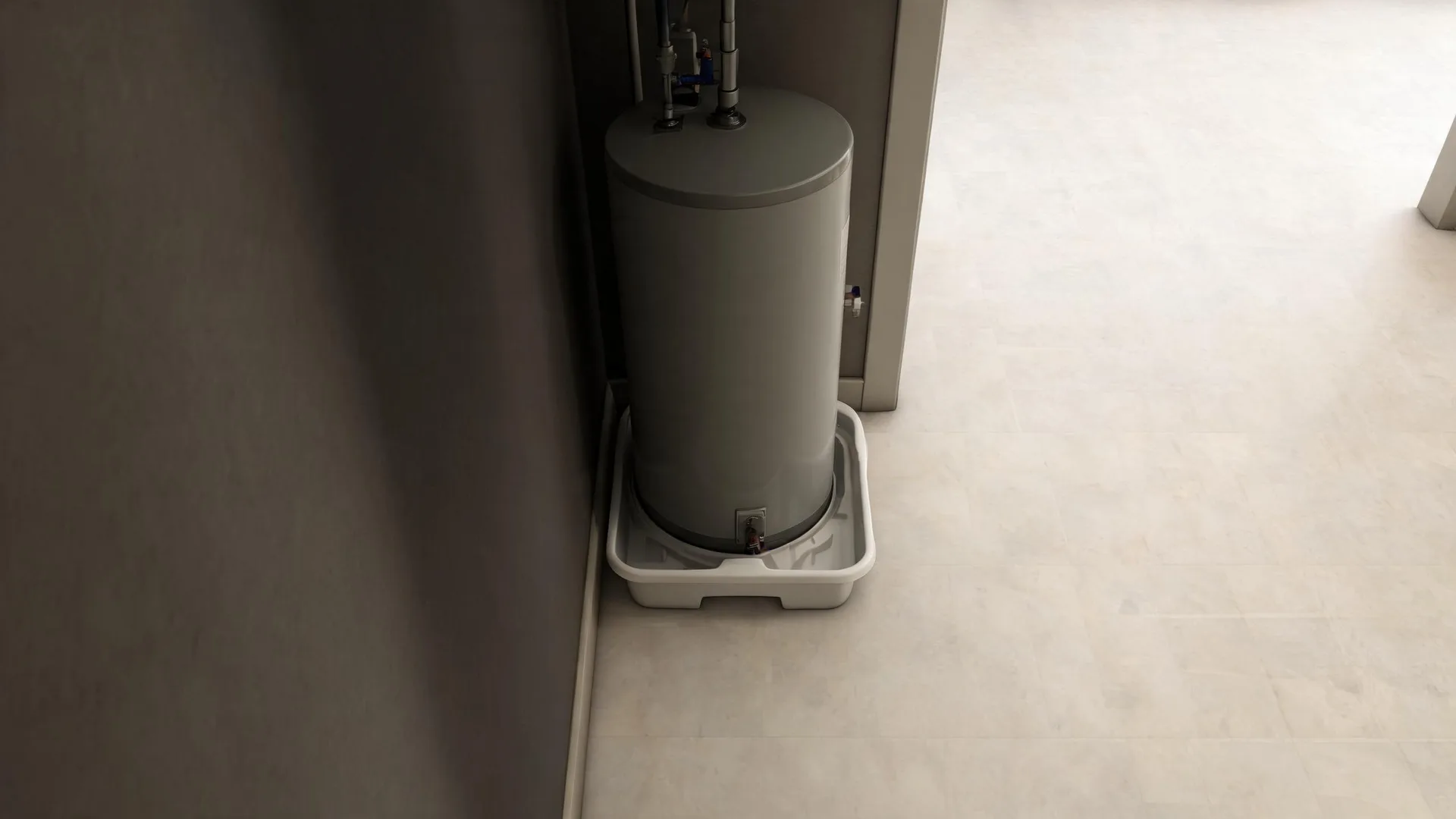
A water heater in Clay County carries a real weather load, and a contractor diagnosing a repair here should look at the pressure relief valve, tank connections, and any fittings that flex under stress before settling on a cause. 199 severe weather events were recorded in Clay County, Minnesota between 2015 and 2024. At that rate, severe weather is a standing condition in this area, not an occasional interruption, which means stress on water heater components accumulates steadily over years of normal operation. A failed valve or a leaking connection in this county may well trace back to that cumulative load rather than to a manufacturing defect or installation error.
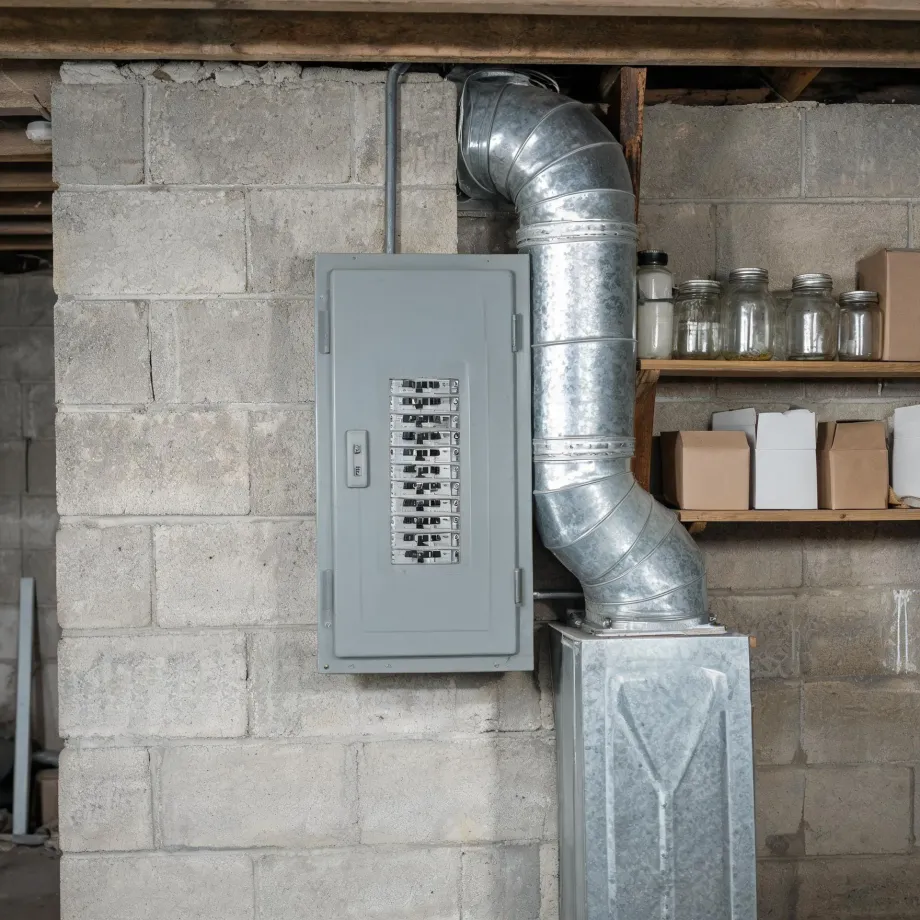
Water heaters sitting in houses this old have had time to accumulate sediment in the tank, mineral buildup on heating elements, and corrosion where fittings meet the supply line. Half the homes in Clay County, Minnesota were built in 1981 or earlier (2020-2024 ACS 5-year). That history is what a contractor works through when the unit is opened: whether the anode rod is spent, whether the relief valve still seats, and whether a replacement part for that model is still in production. If a part is discontinued, the repair cost changes and the contractor's recommendation changes with it.
The Parts of a Water Heater a Contractor Checks During a Repair
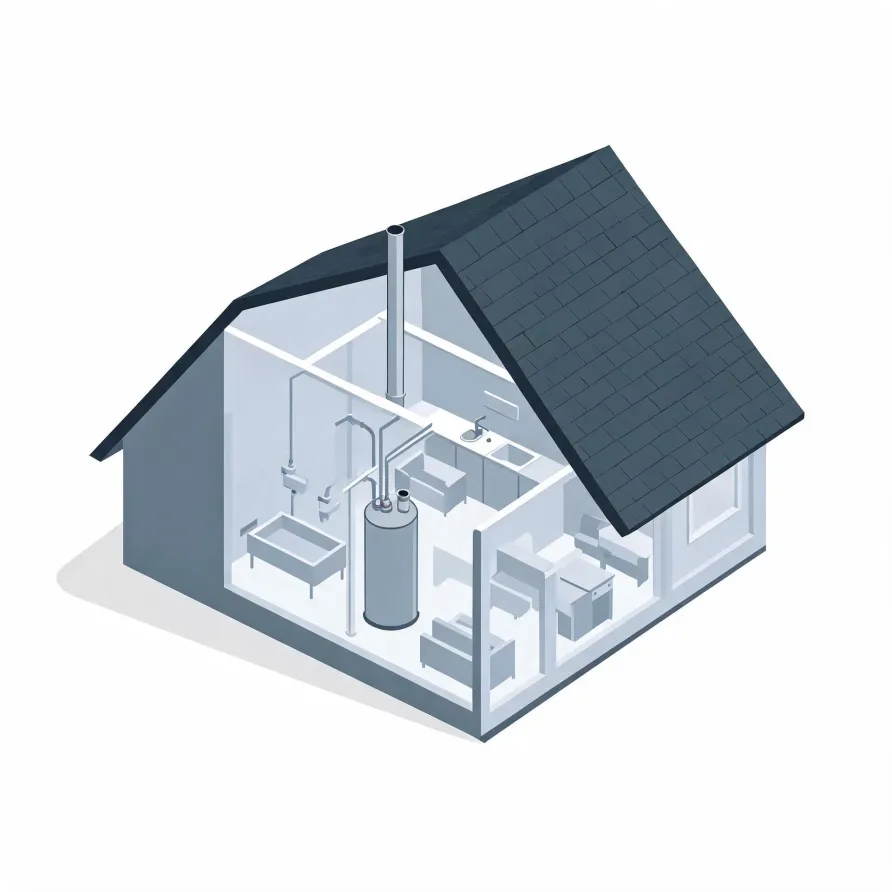
The tank is the piece most homeowners recognize, a tall cylinder that sits in a utility closet, basement, or garage and holds a supply of heated water ready for use. When a tank corrodes internally or its lining fails, water pressure drops or the supply runs discolored. The burner assembly or heating element sits at the base or inside the tank, depending on whether the unit runs on gas or electricity, and a fault there means the water never reaches the right temperature.
The thermostat mounts directly on the tank and tells the heating element or burner when to fire and when to stop. A contractor also checks the pressure relief valve, a safety device fitted to the tank's side, which can stick open or fail to open at all. The anode rod runs down through the interior of the tank and is often the first piece examined when corrosion damage is suspected.
The drawing shows the general layout of a water heater system, and a licensed contractor determines which parts apply to the specific unit and installation in your home.
Get matched in Clay CountyClay County, Minnesota, by the numbers
199 severe weather events were recorded in Clay County, Minnesota between 2015 and 2024.
NOAA National Centers for Environmental Information, Storm Events Database, bulk CSV export, events 2015-01-01 through 2024-12-31.Half the homes in Clay County, Minnesota were built in 1981 or earlier (2020-2024 ACS 5-year).
U.S. Census Bureau, 2020-2024 American Community Survey 5-Year EstimatesClay County, Minnesota holds 27,559 housing units (2020-2024 ACS 5-year).
U.S. Census Bureau, 2020-2024 American Community Survey 5-Year EstimatesOwners occupy 65.9% of the occupied homes in Clay County, Minnesota (2020-2024 ACS 5-year).
U.S. Census Bureau, 2020-2024 American Community Survey 5-Year EstimatesCodes & Standards Covering Water Heater Repair in Clay County, Minnesota2 sourced rules and standards
Licensing and Legal Requirements in Clay County, Minnesota
Minnesota defines a mechanical contractor as a business that installs, repairs or maintains heating, ventilating, cooling or refrigeration systems — the definition that carries the exemption from the residential contractor licence.
Minnesota's residential contractor licence does not reach HVAC work: the licensing section carries its own exemption list, and a mechanical contractor is exempt from the licence requirement by name.
Severe Weather Events in Clay County
Extreme weather puts real stress on water heaters, forcing them to work harder and wear faster than they would under mild conditions. How much of that pressure a unit faces depends on where it lives, which makes local weather history a practical part of understanding repair demand in this area.
199 severe weather events, 2015–2024. Source: NOAA National Centers for Environmental Information, Storm Events Database.