Tell us about the job
Takes about a minute. No obligation.
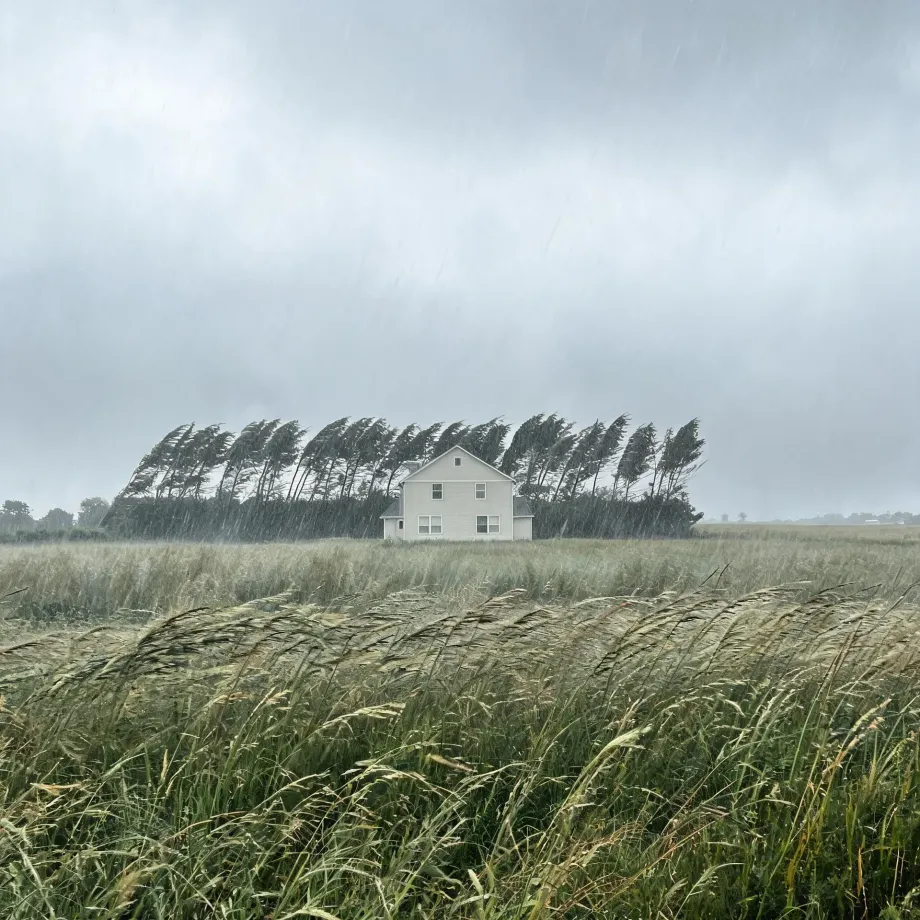
A water heater failing in Chippewa County is more likely failing because of age or a poor original install than because of what the weather has put it through. 87 severe weather events were recorded in Chippewa County, Minnesota between 2015 and 2024. That places this county in roughly the middle of the national distribution, so severe weather is a real but occasional presence, not a condition the equipment fights constantly. A contractor scoping a repair here will check the anode rod, the element, and the tank connections before treating weather load as the explanation, because in most cases it will not be.
A water heater sitting in a house this old has almost certainly been replaced at least once, which means the unit a contractor opens could be from any of several different eras of equipment design, each with its own parts ecosystem. Half the homes in Chippewa County, Minnesota were built in 1957 or earlier (2020-2024 ACS 5-year). Some of those ecosystems are well supplied; others have gone thin or dry, and a contractor pulling the access panel finds out which one they are dealing with before any quote is firm. The age of the house does not predict that answer, but it does raise the odds that the equipment inside it is itself old enough for parts availability to be the variable that decides whether the repair goes forward.
The Parts of a Water Heater a Contractor Checks During a Repair
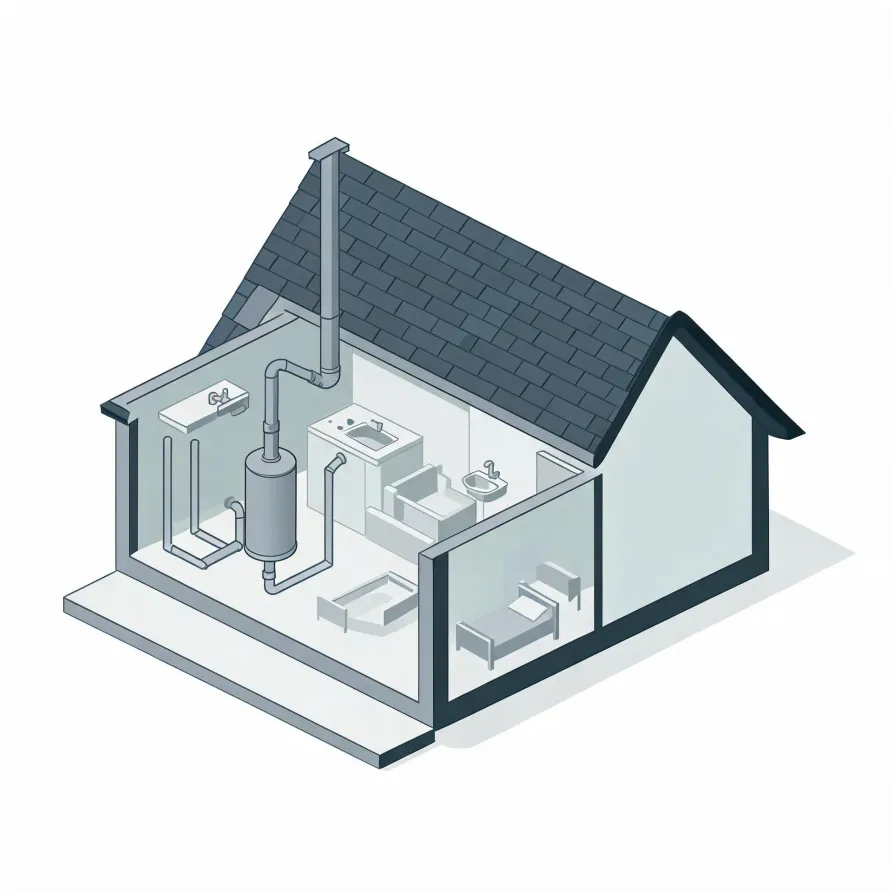
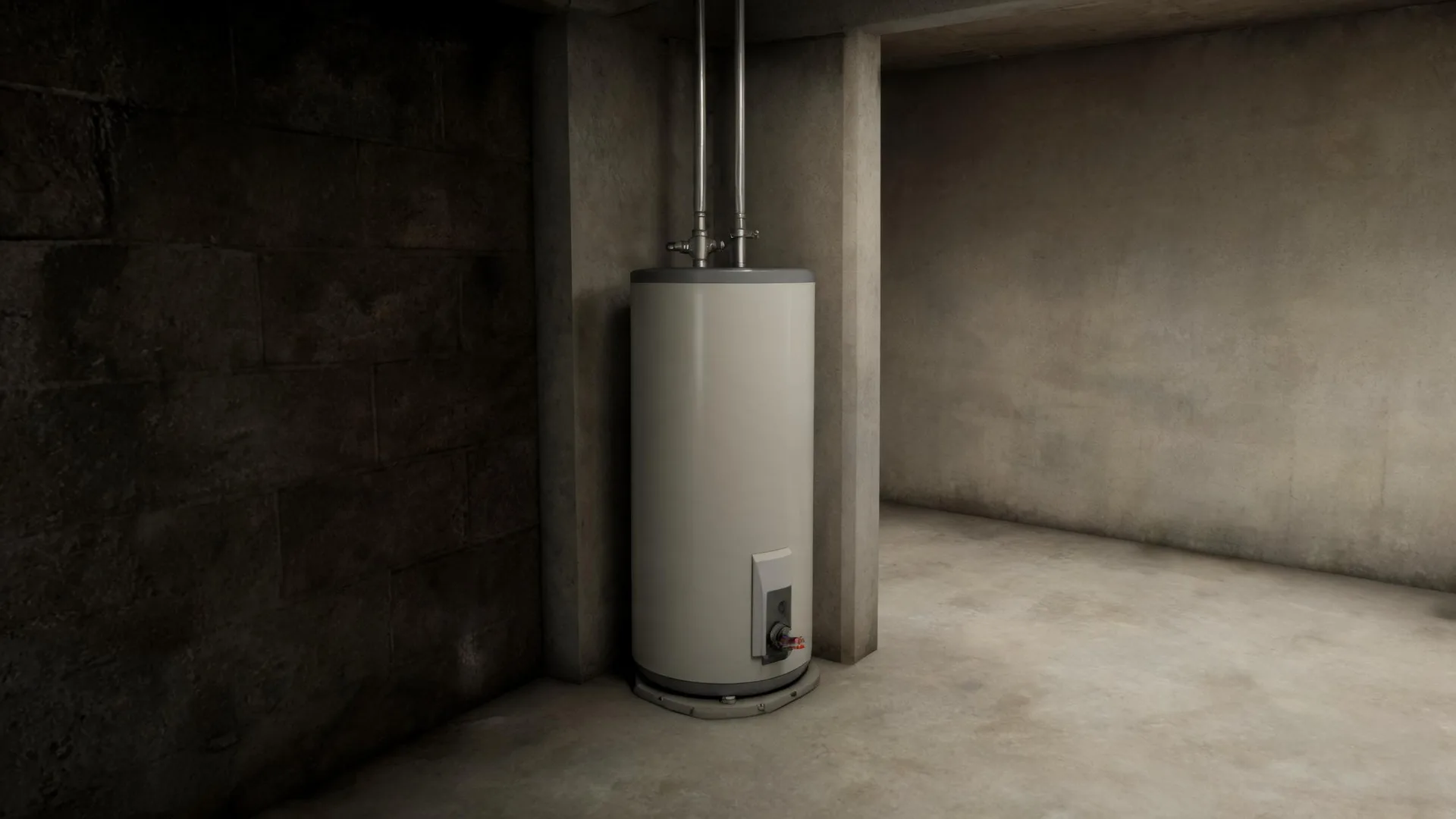
The tank is the center of the system, sitting in a utility room, basement, or closet, and its job is to hold and heat a supply of water ready for use. The burner assembly or heating element sits at the base or inside the tank and is where a contractor looks when there is no hot water or the water runs cold faster than it should.
The thermostat controls the target temperature and sits against or inside the tank wall. The pressure relief valve mounts on the side or top and releases pressure if it builds too high. The anode rod hangs inside the tank and slows corrosion. The dip tube, inlet and outlet connections, and the flue or venting assembly round out what a contractor works through when tracing a fault.
The drawing shows a general layout of a water heater and its parts, and a licensed contractor determines what applies to the specific unit and setup in your home.
Get matched in Chippewa CountyChippewa County, by the numbers
87 severe weather events were recorded in Chippewa County, Minnesota between 2015 and 2024.
NOAA National Centers for Environmental Information, Storm Events Database, bulk CSV export, events 2015-01-01 through 2024-12-31.Half the homes in Chippewa County, Minnesota were built in 1957 or earlier (2020-2024 ACS 5-year).
U.S. Census Bureau, 2020-2024 American Community Survey 5-Year EstimatesChippewa County, Minnesota holds 5,661 housing units (2020-2024 ACS 5-year).
U.S. Census Bureau, 2020-2024 American Community Survey 5-Year EstimatesOwners occupy 72.3% of the occupied homes in Chippewa County, Minnesota (2020-2024 ACS 5-year).
U.S. Census Bureau, 2020-2024 American Community Survey 5-Year EstimatesCodes & Standards Governing Water Heater Repair in Chippewa County, Minnesota2 sourced rules and standards
Licensing and Legal Requirements in Chippewa County, Minnesota
Minnesota defines a mechanical contractor as a business that installs, repairs or maintains heating, ventilating, cooling or refrigeration systems — the definition that carries the exemption from the residential contractor licence.
Minnesota's residential contractor licence does not reach HVAC work: the licensing section carries its own exemption list, and a mechanical contractor is exempt from the licence requirement by name.
Severe Weather Events in Chippewa County
Extreme weather puts water heaters under stress: temperature swings, power surges, and sudden demand spikes all add wear that shows up as repair calls. How often that pressure arrives is a local fact, and it shapes what a water heater in Chippewa County endures over its working life.
87 severe weather events, 2015–2024. Source: NOAA National Centers for Environmental Information, Storm Events Database.