Tell us about the job
Takes about a minute. No obligation.
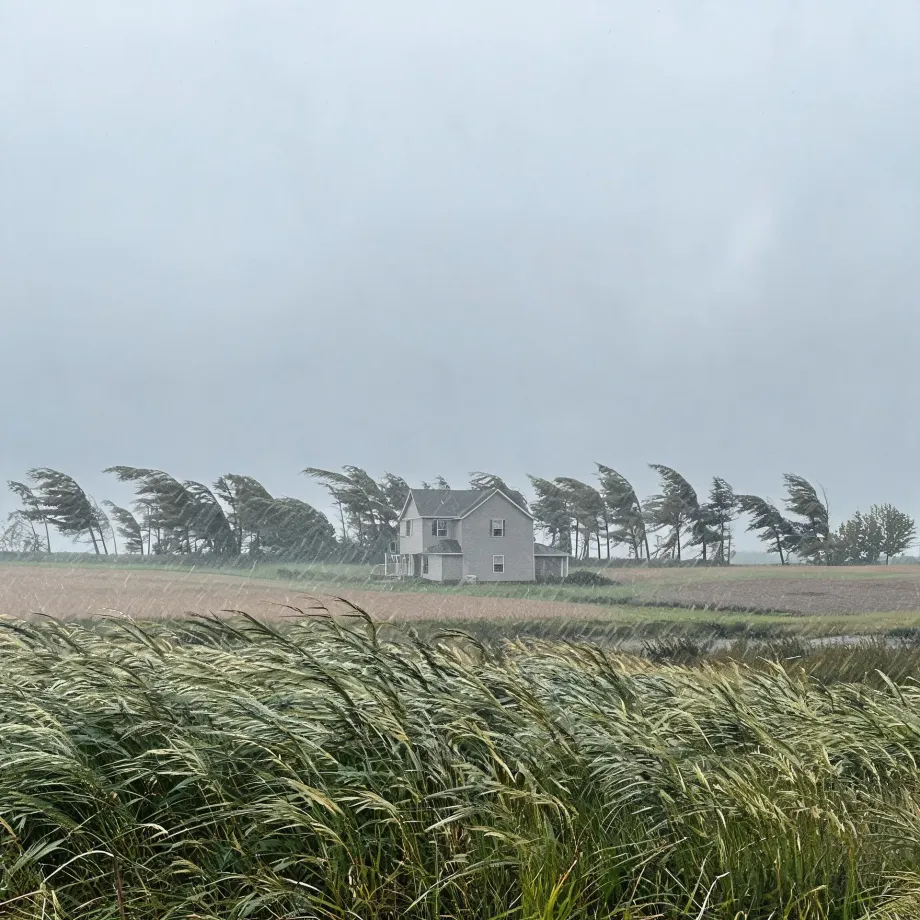
A water heater repair in Fillmore County starts with a question most homeowners overlook: what has this system been running against? 144 severe weather events were recorded in Fillmore County, Minnesota between 2015 and 2024. At that rate, severe weather is a standing condition, and the wear it puts on heating elements, pressure relief valves, and tank seals accumulates over years of service. A contractor here factors that load into the diagnosis before pointing at any single component as the reason for the failure.
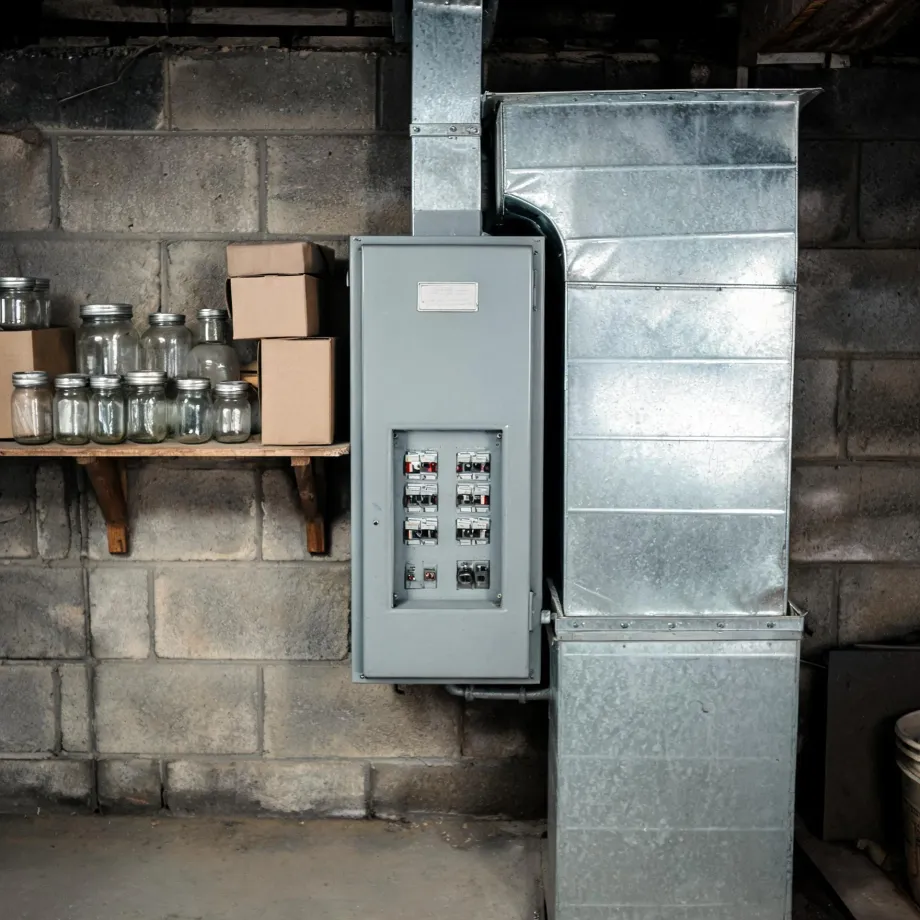
A water heater running in a house this old was almost certainly put in long after the house was built, but the repair question it raises is not about the building. Half the homes in Fillmore County, Minnesota were built in 1966 or earlier (2020-2024 ACS 5-year). Parts for equipment installed in housing of that age span a wide range of manufacture dates, and a contractor opening the unit has to confirm whether what it needs is still made before a repair scope means anything. If the part has been discontinued, the job changes shape entirely.
The Parts of a Water Heater a Contractor Checks During a Repair
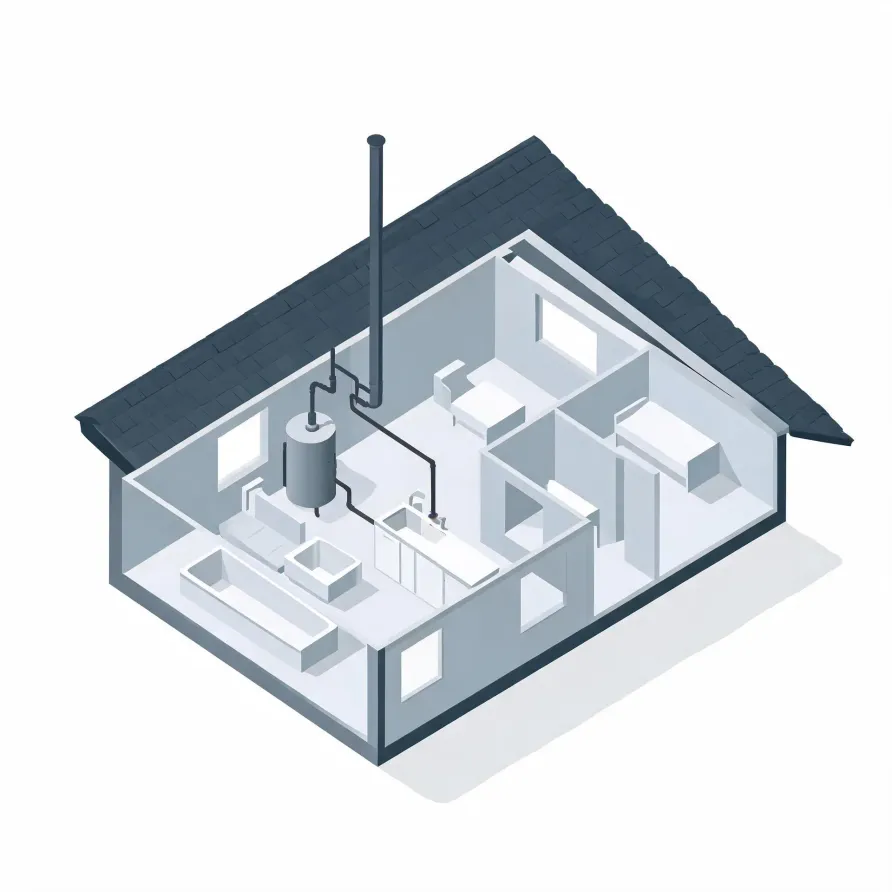
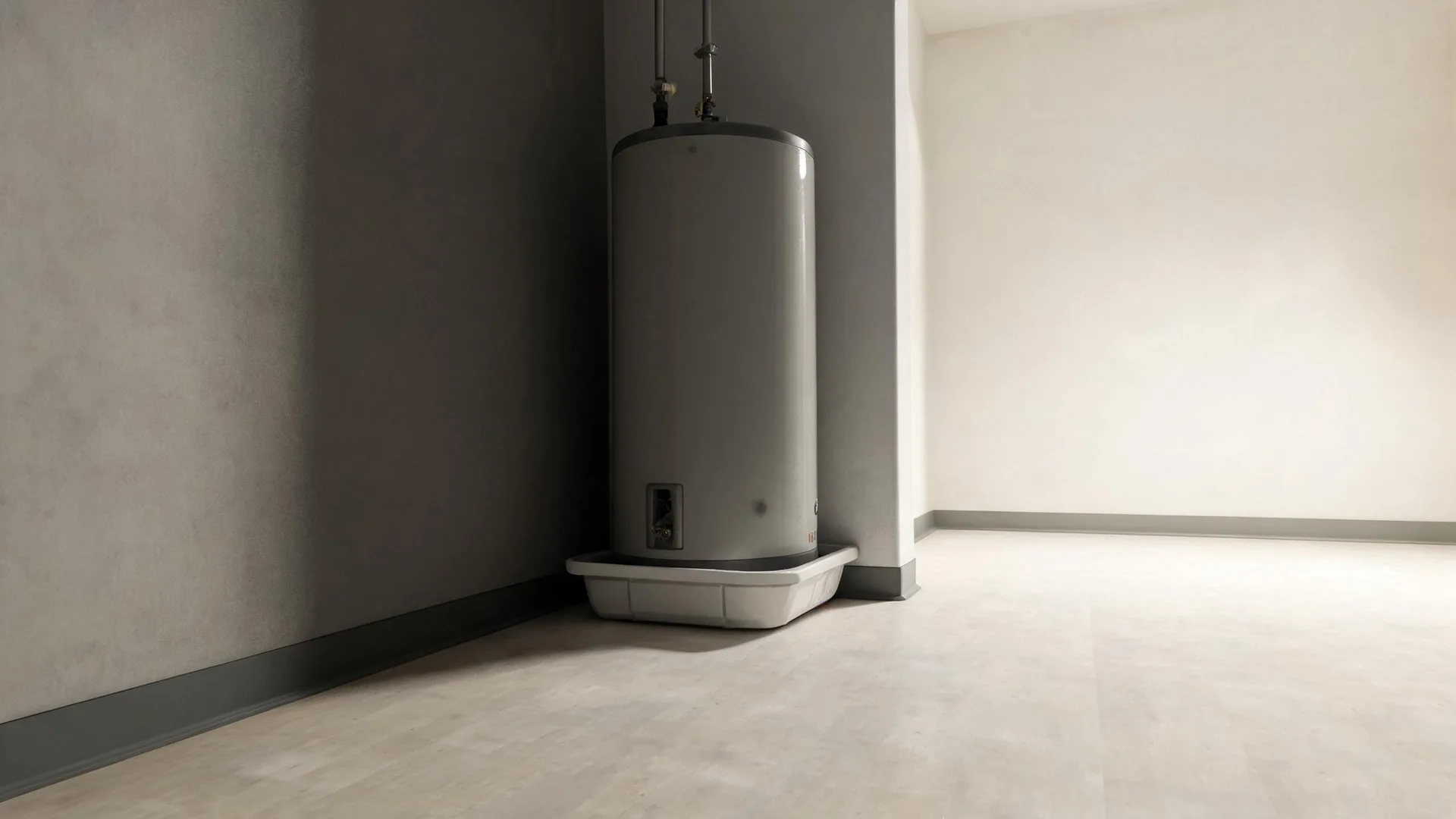
The tank is the piece most homeowners know by sight, sitting in a utility closet, basement, or garage and holding the supply of hot water the house draws from. When it fails, the signs are pooling water, rust in the supply, or no hot water at all. The burner assembly or heating element inside the tank is what actually raises the water temperature, and a fault there often looks like lukewarm output or uneven heating.
The pressure relief valve mounts to the side of the tank and releases pressure if the interior builds past a safe point. A contractor checks it because a valve that weeps or refuses to open at all is a problem either way. The thermostat, which sits against the tank wall or inside the access panel depending on the unit type, controls when the heating element fires and is a frequent starting point when temperature complaints come in.
The drawing shows a general layout of the system, and a licensed contractor determines which components apply and what work is needed in your specific home.
Get matched in Fillmore CountyFillmore County, by the numbers
144 severe weather events were recorded in Fillmore County, Minnesota between 2015 and 2024.
NOAA National Centers for Environmental Information, Storm Events Database, bulk CSV export, events 2015-01-01 through 2024-12-31.Half the homes in Fillmore County, Minnesota were built in 1966 or earlier (2020-2024 ACS 5-year).
U.S. Census Bureau, 2020-2024 American Community Survey 5-Year EstimatesFillmore County, Minnesota holds 9,692 housing units (2020-2024 ACS 5-year).
U.S. Census Bureau, 2020-2024 American Community Survey 5-Year EstimatesOwners occupy 82.6% of the occupied homes in Fillmore County, Minnesota (2020-2024 ACS 5-year).
U.S. Census Bureau, 2020-2024 American Community Survey 5-Year EstimatesCodes & Standards Governing Water Heater Repair in Fillmore County, Minnesota2 sourced rules and standards
Licensing and Legal Requirements in Fillmore County, Minnesota
Minnesota defines a mechanical contractor as a business that installs, repairs or maintains heating, ventilating, cooling or refrigeration systems — the definition that carries the exemption from the residential contractor licence.
Minnesota's residential contractor licence does not reach HVAC work: the licensing section carries its own exemption list, and a mechanical contractor is exempt from the licence requirement by name.
Severe Weather Events in Fillmore County
Extreme weather puts direct stress on water heaters, forcing the equipment to work harder and wear faster. How often that happens here shapes what repair needs look like in Fillmore County.
144 severe weather events, 2015–2024. Source: NOAA National Centers for Environmental Information, Storm Events Database.